India Is Becoming a Specialty Coffee Powerhouse
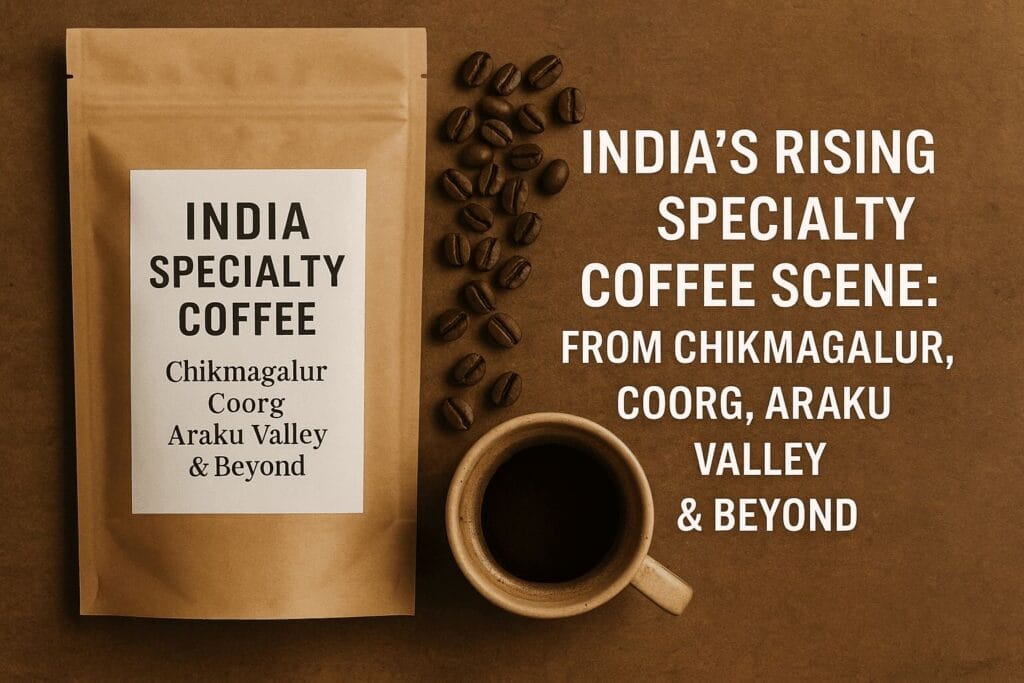
India is quietly transforming into one of the world’s most compelling specialty coffee origins. While countries like Ethiopia, Colombia, and Brazil often dominate global attention, India has been building momentum through diverse microclimates, disciplined cultivation, and a new wave of quality-driven producers.
Coffee from India now appears on cupping tables, competition stages, and premium roasters around the world.
From the historic slopes of Chikmagalur to the monsoon-rich lands of Coorg, from the high-elevation tribal farms of Araku Valley to the volcanic soils of Yercaud, India offers distinct flavour identities shaped by terroir and tradition.
Chikmagalur: The Birthplace of Indian Coffee
Chikmagalur, located in Karnataka, is where coffee was first introduced to the country over 350 years ago. Today, it remains a flagship specialty coffee region with high-altitude terrain and legacy estates.
Why Chikmagalur Stands Out
- Elevation ranges from 900–1600m
- Shade-grown under dense forest cover
- Consistent rainfall and cool temperatures
- Generational expertise among farmers
- Popular Arabica varieties: S795, SLN9, Chandragiri, Catuaí
Typical Flavour Profile
- Milk chocolate
- Caramel
- Brown sugar
- Toasted nuts
- Balanced acidity
Chikmagalur coffees are versatile, stable, and exceptionally smooth — ideal for both filter brews and espresso.
Coorg (Kodagu): India’s Largest Coffee-Growing District
Coorg — also known as Kodagu — is India’s most productive coffee-growing region. Its unique monsoon ecosystem and biodiversity give its coffees a signature depth and aroma.
What Defines Coorg Coffee
- Heavy monsoon rains and high humidity
- Iron-rich laterite soil
- Dense shade-grown cultivation
- Intercropping with pepper, cardamom, and vanilla
- Strong production of both Arabica and Robusta
- Home of the Monsooned Malabar process
Typical Flavour Profile
- Cocoa and dark chocolate
- Warm spice (nutmeg, pepper)
- Nutty sweetness
- Heavy body
- Low acidity (especially Robusta lots)
Coorg coffees are bold, aromatic, and ideal for drinkers who appreciate rich, full-bodied cups.
Araku Valley: High-Elevation Organic Specialty Coffee
Situated in the Eastern Ghats of Andhra Pradesh, Araku Valley has rapidly gained international attention for its clean, high-grown coffees cultivated by tribal farming communities.
Why Araku Valley Is Rising
- Elevation of 900–1400m
- 100% organic cultivation
- Volcanic soil composition
- Focus on washed, honey, and natural processes
- Increasing representation in global competitions
Typical Flavour Profile
- Bright berry acidity
- Floral aromatics
- Light, tea-like body
- Clean sweetness
- Occasional tropical or natural-forward notes
Araku coffees appeal to fans of Ethiopian-style clarity and fruitiness.
Yercaud: Volcanic Soil and Emerging Specialty Estates
Yercaud, located in Tamil Nadu’s Shevaroy Hills, is an emerging specialty origin characterized by mineral-rich volcanic soil and innovative processing.
What Makes Yercaud Unique
- Elevation of 1000–1500m
- Volcanic-rich soil → natural sweetness
- Arabica varieties such as S795, SLN9, Selection 5B
- Growing focus on honey and natural processes
- Clean, structured flavour profiles
Typical Flavour Profile
- Caramel
- Stone fruit (peach, plum)
- Mild florals
- Bright acidity
- Light to medium body
Yercaud is ideal for light roast enthusiasts who value clarity.
India’s Specialty Robusta: A Global Standout
India is widely recognized for producing some of the highest-quality Robusta in the world. Unlike commodity Robusta, Indian Robusta is shade-grown, hand-picked, and often processed with specialty standards.
Why Indian Robusta Is Exceptional
- Dense beans ideal for espresso
- Thick, stable crema
- Naturally low acidity
- Chocolate-driven flavour
- High body and intensity
- Excellent performance in blends or standalone espresso
Monsooned Malabar (India’s Signature Process)
- Exposed to monsoon winds for 12–16 weeks
- Beans swell, lose acidity, and develop unique earthy depth
- Flavour notes: dark chocolate, roasted nuts, spice
- Smooth mouthfeel and heavy body
- Especially popular among espresso drinkers
India’s specialty Robusta stands on its own as a premium category — not merely a blend component.
Why Indian Specialty Coffee Is Growing in Demand Globally
Indian coffees are gaining popularity because they offer:
- Low-acidity options (easy on the stomach)
- Distinct regional flavour profiles
- Diverse processing methods (washed, honey, natural, monsooned)
- Strong environmental sustainability through shade-grown farming
- High-quality Robusta for espresso lovers
- Excellent value relative to other specialty origins
- Traceable, small-lot production from ethical estates
This diversity positions India as a highly versatile origin suited for a wide range of brewing preferences.
India Is One Origin With Many Distinct Identities
India’s specialty coffee landscape is incredibly diverse.
From the classic balance of Chikmagalur to the bold richness of Kodagu (Coorg), from the bright clarity of Araku Valley to the emerging sweetness of Yercaud — each region offers its own flavour signature shaped by terroir, climate, and craftsmanship.
For Canadian coffee drinkers discovering Indian coffee for the first time, this origin offers a world of character, heritage, and quality waiting to be explored.