Not All Coffee Beans Are Created Equal
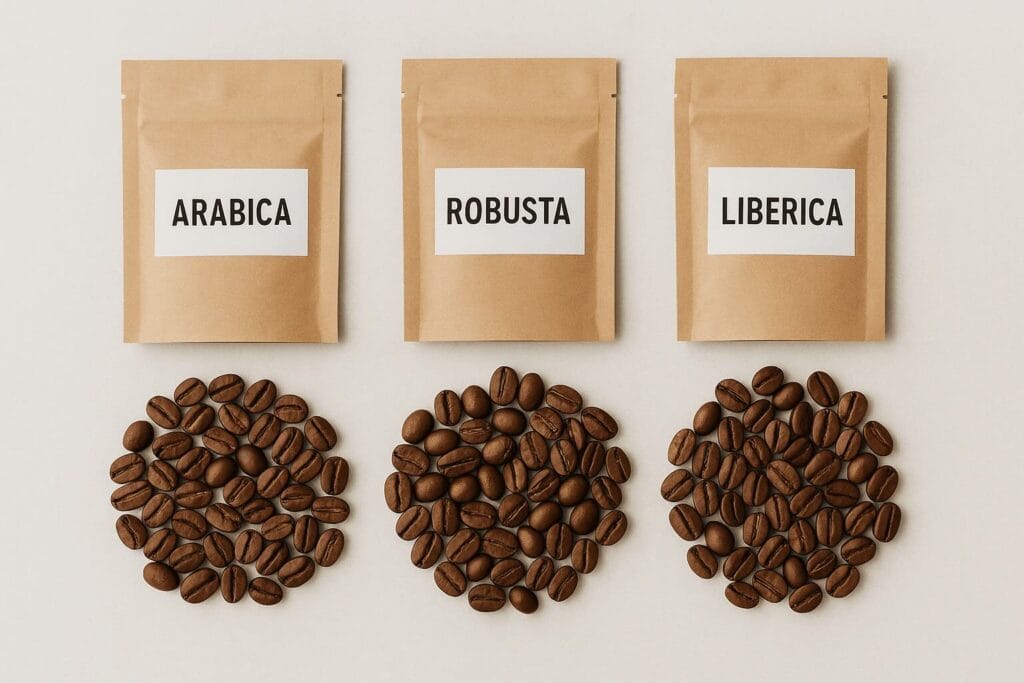
When most Canadians talk about coffee, they unknowingly refer to Arabica — the world’s most common specialty-grade species. But coffee goes far beyond that. The three major species available to consumers today are:
- Arabica (Coffea arabica)
- Robusta (Coffea canephora)
- Liberica (Coffea liberica)
Each one tastes different, grows differently, and works best for different brewing preferences.
This guide breaks down everything you need to know — including when Robusta or Monsooned Malabar might actually be the better choice.
Arabica: Sweet, Smooth, and Widely Loved
The Most Popular Coffee Species in the World
Arabica accounts for ~60–70% of global production. It grows best at higher elevations and expresses complex flavours linked to terroir, altitude, and processing.
Flavour Profile:
- Sweet, smooth, aromatic
- Notes often include: fruit, florals, citrus, chocolate, caramel
- Higher acidity (pleasant brightness)
Best For:
- Pour-over (V60, Chemex, Kalita)
- Drip coffee
- Black coffee drinkers
- Specialty enthusiasts
- Anyone exploring terroir-driven flavours
Weaknesses:
- More expensive to grow
- Susceptible to climate and pests
- Lower crema in espresso compared to Robusta
Arabica is perfect if you enjoy clarity, sweetness, and origin-specific complexity.
Robusta: Bold, Creamy, High-Caffeine Powerhouse
The Underrated Workhorse of the Coffee World
Robusta (Coffea canephora) is often misunderstood. Commodity Robustas are harsh — but specialty-grade Robustas (like India’s AAA Malabar or high-elevation canephora) are extraordinarily good when processed well.
Flavour Profile:
- Bold, earthy, low acidity
- Dark chocolate, roasted nuts, spice
- Thick body and strong crema
- Higher caffeine (1.5–2x Arabica)
Best For:
- Espresso lovers
- Milk drinks (lattes, cappuccinos)
- People who prefer strong, punchy coffee
- Consumers sensitive to acidity
- Home espresso machines that need crema support
Monsooned Malabar Robusta AAA is a perfect example of premium Robusta:
- Exposed to monsoon winds → low acidity, heavy body
- Huge beans → better flavour retention
- Exceptional crema → ideal for espresso
- Earthy depth + dark chocolate intensity
This is Robusta at its best — not supermarket-grade harshness, but rich, smooth, and deeply satisfying.
Strengths:
- Very stable in blends
- Incredible crema
- Intense flavour and caffeine
- Low acidity (gentle on the stomach)
- Affordable
Robusta is for drinkers who want strength, richness, and crema, not fruity complexity.
Liberica: Rare, Exotic, and Wildly Distinctive
The Most Unusual Coffee Species
Liberica makes up less than 1–2% of global production. It grows on tall trees, has larger beans, and offers extremely unconventional flavours.
Flavour Profile:
- Smoky, woody, fruity, floral
- Often compared to: jackfruit, durian, tamarind, dark berries
- Complex but divisive
Best For:
- Coffee explorers
- People who want something completely different
- Fans of unconventional, bold, aromatic coffees
Weaknesses:
- Hard to source
- Can be polarizing
- Generally not ideal for traditional espresso or drip
- Limited availability in Canada
Liberica is an acquired taste, but a fascinating one for adventurous drinkers.
Which Coffee Should You Drink?
If you want sweetness, clarity, and complex flavours → Choose Arabica
Perfect for:
- Pour-over
- Light/medium roast lovers
- Fruity or floral flavour seekers
If you want strength, crema, and intensity → Choose Robusta
Perfect for:
- Espresso machines
- Milk drinks
- Low-acidity coffee needs
- High caffeine requirements
If you want something exotic and unusual → Try Liberica
Perfect for:
- Tasting flights
- Coffee collectors
- Experiential brewing
Why The Right Coffee Species Matters for Canadians
Canada has a fast-growing specialty coffee culture. Consumers here appreciate:
- Transparency
- Craft roasting
- Origin-specific flavour
- New sensory experiences
- Espresso quality
- Low-acidity options for sensitive stomachs
Conclusion: The Best Coffee Is the One That Matches Your Taste & Brewing Style
There’s no “one best” species.
Each one shines in its own way:
- Arabica → complex & sweet
- Robusta → bold & powerful
- Liberica → wild & exotic
The key is understanding what you enjoy and choosing the bean that aligns with your taste, brewing method, and desired intensity.
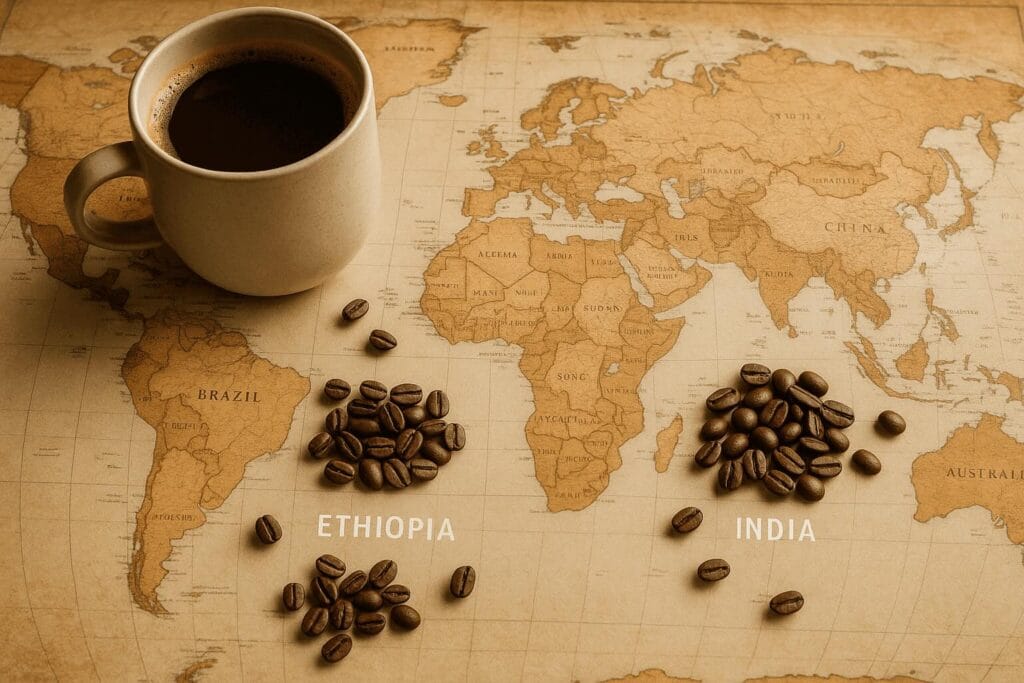
From fruity Ethiopian Arabica to chocolate-heavy Monsooned Malabar Robusta — the world of coffee is bigger, richer, and more diverse than most people imagine.